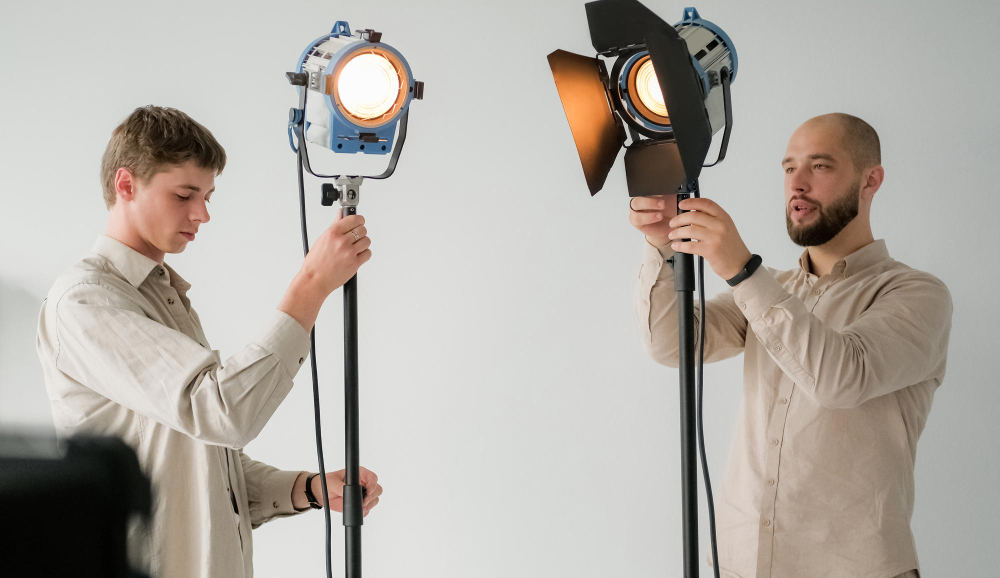
Ever wonder who’s actually behind the lights and camera support on your favorite film? You see the actors and the director, but the real magic happens thanks to the crew working in the shadows. Two of the most critical roles on any set are the gaffer and the grip. While they work side-by-side, their jobs are distinct, and knowing the difference is key to a smooth production. Let's break down exactly what each role handles.
What Does a Gaffer Do?
A gaffer is the head of the electrical lighting department on a film set. They work directly with the Director of Photography (DP) to bring the visual style of the movie to life through lighting. Think of the DP as the architect and the gaffer as the general manager who executes that vision.
Responsibilities of a Gaffer
The gaffer's main job is to manage all lighting equipment and the electrical team. This isn't just about plugging in a lamp; it involves complex power distribution and artistic precision.
- Selecting Equipment: They determine exactly which lights are needed to get the shot, whether it's a massive 18K HMI or a subtle LED panel.
- Executing the Look: They position and adjust lights to create mood, depth, and atmosphere.
- Safety & Power: They ensure the set has enough power without blowing circuits, which is crucial when running heavy-duty gear like 4K HMIs or 1200X LEDs.
Skills Every Gaffer Needs
To succeed, a gaffer needs a mix of technical knowledge and creative instinct. You need to understand color temperature, electricity, and how different fixtures behave. Leadership is also huge—you're managing a team of electricians (sparks) and have to communicate clearly with the grip department.
The Florida Connection
Here in Central Florida, gaffers face unique challenges, like balancing intense natural sunlight with artificial lighting. Productions shot in areas like Lake Nona or downtown Orlando often rely on experienced local gaffers to manage the shifting weather conditions. Major films like The Waterboy and Monster utilized local crews who knew exactly how to handle Florida’s specific lighting environment.
What Does a Grip Do?
A grip provides the support system for both the camera and the lighting departments. If the gaffer is responsible for the light itself, the grip oversees the shadows and the movement. They build the rigs that hold the lights and operate the equipment that moves the camera.
Responsibilities of a Grip
Grips are the builders and problem solvers on set. Their work ensures that the camera gets the perfect shot and that lighting fixtures are safe and stable.
- Camera Support: They set up and operate dollies, cranes, and tripods. If you see a smooth tracking shot, a grip made that happen.
- Lighting Support: They don't touch the actual electrical lamps, but they shape the light using flags, nets, and diffusion. They also build the stands and trusses that hold the lights.
- Rigging: They safely secure equipment to cars, walls, or ceilings.
Skills Every Grip Needs
Mechanical aptitude is non-negotiable. Grips need to know how to use C-stands, side arms, and clamps like Cardellinis and Big Bens effectively. It’s physically demanding work that requires a strong understanding of physics and construction to keep everything safe. Teamwork is essential, as grips work closely with the electrical department to shape the light the gaffer places.
Local Grip Resources
For productions in Orlando, having reliable grip support is vital. Companies like Tiki Grip & Electric provide comprehensive truck packages that include everything a grip team needs, from 40" C-Stands to 12x12 overhead frames. You can check out their grip equipment rentals to see the full list of gear available for local shoots.
Gaffer vs Grip: The Key Differences
The main difference is simple: Gaffers control the electricity and the light source; Grips control the shadows and the support structures.
- Lighting vs. Support: The gaffer says, "Put a light there." The key grip says, "Here’s the stand to hold it, and here’s the flag to cut the spill."
- Tools of the Trade: Gaffers use light meters and distribution boxes. Grips use wrenches, apple boxes, and sandbags.
- Florida’s Environment: In our local market, the lines can sometimes blur on smaller indie sets, but on professional shoots, the distinction is strict for safety and union rules.
How They Collaborate
Communication between these two departments is the backbone of a set. When a gaffer calls for a specific light, the key grip immediately assesses how to support it and how to shape it. For example, if a gaffer lights a scene in a historic home in Winter Park, the grip team ensures the heavy lights don't damage the delicate floors or antique architecture while cutting the light precisely off the walls.
Industry Insights for Orlando Filmmakers
We talked to local pros who’ve been working in the grip electric Orlando scene for years. Their advice? Never stop learning. Technology changes fast—just look at how LED fixtures like the Aputure 600c have revolutionized power requirements compared to old tungsten hot lights.
If you're looking to break into the industry here, familiarizing yourself with local rental houses is a great first step. Schools like Full Sail University produce a lot of talent, but hands-on experience on local sets is where you really learn the trade.
Ready to Start Your Film Journey?
Whether you want to control the light as a gaffer or build the impossible as a grip, both roles are essential to filmmaking. Central Florida has a vibrant community of technicians and creatives making movie magic every day.
If you need gear for your next production or expert advice on your lighting package, we're here to help. Contact Tiki Grip & Electric at (407) 491-0268 to get your production rolling.